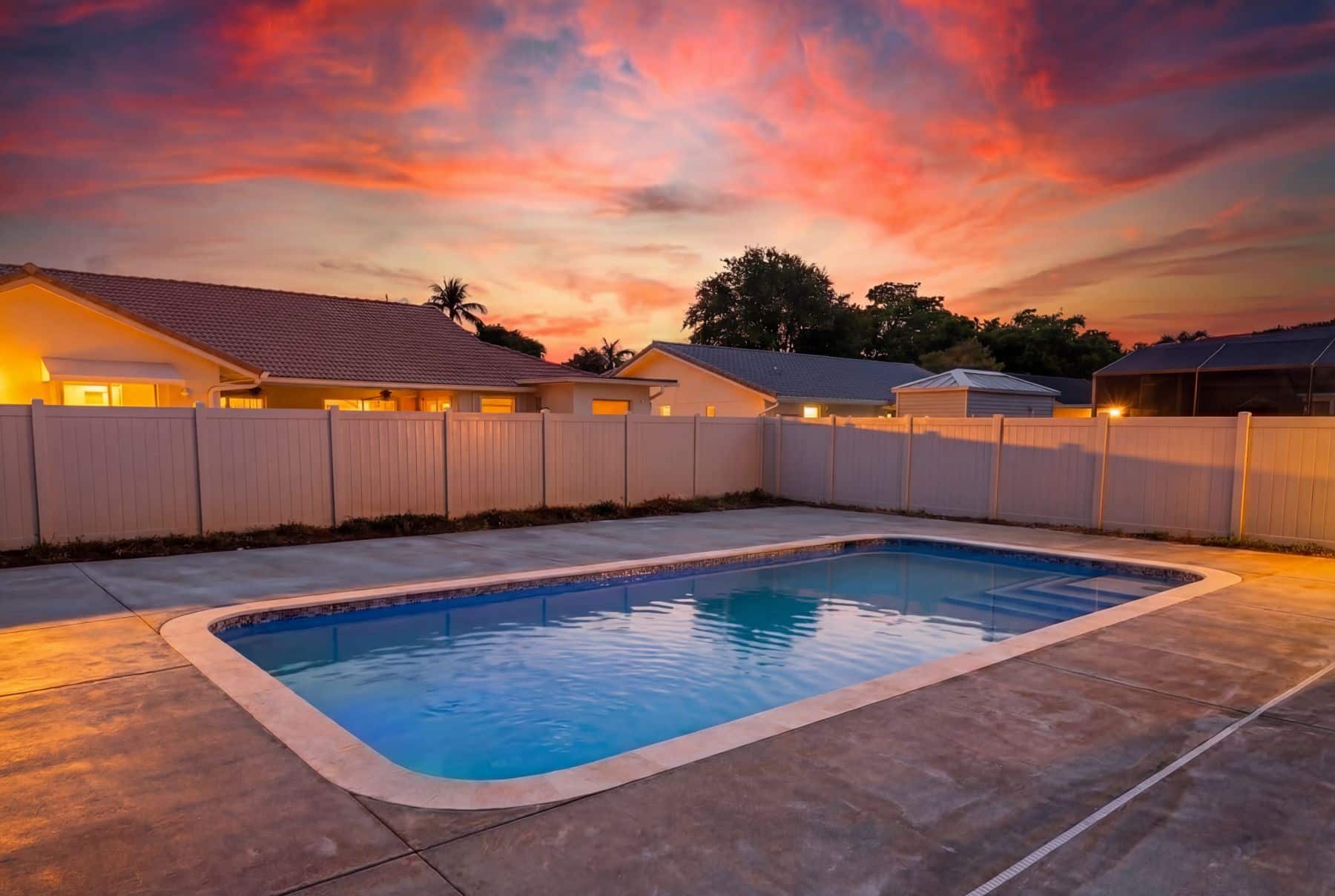
One of the decisions that has the biggest impact on how long a pool remodel actually lasts in Fort Lauderdale is one that most homeowners spend the least time on. The finished material. It gets chosen quickly, often based on appearance or price, without a full picture of how that material performs under the specific conditions a Fort Lauderdale pool deals with every day.
That matters because pool remodeling in Fort Lauderdale, FL is not a project most homeowners want to repeat in five years. The right material choice is the difference between a remodel that holds up through South Florida’s heat, UV exposure, humidity, and storm season and one that starts showing wear well before it should. The wrong choice does not always reveal itself immediately. It shows up gradually over the first few seasons as the finish fades faster than expected, the surface roughens, or the material reacts poorly to the pool’s chemistry.
This is what the main pool remodeling materials actually are, how they perform in Fort Lauderdale’s climate, and what the right choice looks like for different pool situations.
Standard White Plaster
Standard white plaster is the baseline pool finish that has been used for decades. It is a mix of white cement and marble dust applied over the pool shell to create the smooth interior surface that lines the pool. It is also the most affordable pool resurfacing material available, which is a significant part of why it remains common despite its limitations in South Florida’s climate.
The problem with standard plaster in Fort Lauderdale is that it is the finish least suited to the conditions it has to perform in. Plaster is porous. In a pool environment with aggressive water chemistry, high chemical demand driven by South Florida’s heat, and year-round use, that porosity works against the material. Plaster absorbs staining agents, develops a rough texture as it wears, and in saltwater pool applications deteriorates faster than its rated lifespan suggests it should.
A standard plaster finish in moderate climates might deliver ten to twelve years before resurfacing becomes necessary. In Fort Lauderdale’s climate, that timeline shortens. Homeowners who resurface with standard plaster because it is the lowest upfront cost option frequently find themselves back in the same conversation seven or eight years later, sometimes sooner if the water chemistry has been challenging or the pool runs a saltwater system.
Standard plaster is not a wrong choice in every situation. For a pool that is being sold in the near term or for a homeowner with a tight renovation budget who understands the shorter lifespan, it is a viable option. For a homeowner who wants the next resurfacing to be a decade or more away, it is not the material that delivers that outcome in Fort Lauderdale.
Quartz Aggregate Finish
Quartz aggregate finishes blend cement with quartz crystals to produce a harder, more durable surface than standard plaster. The quartz component gives the finish a natural resistance to staining and chemical exposure that plaster does not have, and the harder surface holds up better under the abrasive conditions that South Florida’s water chemistry and year-round use create.
Visually, quartz finishes are available in a range of colours and have a subtle sparkle from the crystal component that gives the pool a cleaner, more refined appearance than standard plaster. The colour holds more consistently over time because the pigment is carried in a more stain-resistant matrix than the white cement base of standard plaster.
For Fort Lauderdale pools, quartz is a meaningful step up from plaster in terms of durability. It handles UV exposure better, resists the staining that South Florida’s mineral-heavy water tends to cause, and performs more consistently in saltwater pool environments than standard plaster does. A properly installed quartz finish in Fort Lauderdale typically delivers twelve to seventeen years before resurfacing becomes necessary, depending on water chemistry maintenance and usage.
The cost of quartz pool resurfacing materials sits between standard plaster and pebble finishes. It is a mid-range investment that delivers a meaningfully better lifespan and appearance outcome than the plaster starting point without reaching the top end of what premium pebble finishes cost.
Pebble Finish
Pebble finish is the premium end of pool resurfacing materials and the option that consistently performs best in Fort Lauderdale’s climate conditions. A pebble finish embeds small river pebbles, glass beads, or crushed stone into a cement matrix to create a surface that is significantly harder, more durable, and more visually distinctive than either plaster or quartz.
Pebble finish vs plaster is not a close comparison when it comes to performance in South Florida. The aggregate surface of a pebble finish is inherently more resistant to staining because there is less exposed cement matrix for mineral deposits and organic material to bond to. The hardness of the material holds up under aggressive water chemistry and high UV exposure without the surface degradation that plaster develops over time. In saltwater pool applications, pebble finishes are the most compatible option because the material handles the salt chemistry significantly better than plaster and comparably to quartz.
The appearance of a pebble finish is also distinctive in a way that elevates the overall look of the pool. The texture gives the water a depth and richness that flat plaster does not produce, and the range of aggregate colours and sizes available allows for a genuinely custom result that fits the visual direction of the remodeling project.
Pebble finishes typically deliver fifteen to twenty years in Fort Lauderdale’s climate before resurfacing is required, and in pools with well-managed water chemistry, that range can extend further. The upfront cost is the highest of the three main finish categories, but measured against the lifespan it delivers relative to plaster and the reduced maintenance demands of a harder, more stain-resistant surface, the long-term cost comparison frequently favors pebble for homeowners who plan to stay in the property.
For pool remodeling in Fort Lauderdale, FL where the goal is a finish that holds its appearance and structural integrity through multiple storm seasons, year-round use, and South Florida’s UV intensity, pebble finish is consistently the most reliable material choice.
Glass Tile Pool Finish
Glass tile is not a resurfacing material in the same sense as plaster, quartz, or pebble. It is a design-driven finish option that covers the pool interior with glass tiles rather than an applied surface coating. The result is visually striking, reflects light in a way no other pool finish does, and in terms of durability, glass tile is one of the most resistant pool materials available for Fort Lauderdale’s conditions.
Glass tile pool finish in Florida handles UV exposure exceptionally well because glass does not fade, bleach, or degrade under sunlight the way cement-based finishes do. It is non-porous, which means it does not absorb staining agents or mineral deposits the way plaster does. It is compatible with saltwater pool chemistry without the surface degradation that cement-based finishes can develop over time.
The practical considerations for glass tile are cost and installation complexity. It is the most expensive pool finish option and the most labor-intensive to install correctly. Grout lines require maintenance over time, and any movement in the pool shell that causes cracking will affect the tile installation in ways that a flexible surface coating handles differently. For the right pool and the right homeowner, glass tile produces a result that is genuinely exceptional. For pools where the budget does not support it or where the shell condition is not ideal, it is not the appropriate starting point.
Deck Materials for Fort Lauderdale Pool Remodeling
The finish material inside the pool is one part of the material decision in a pool remodel. The deck surrounding the pool handles a different set of demands and deserves the same level of consideration.
Concrete and Stamped Concrete Poured concrete remains one of the most common deck materials for Fort Lauderdale pools because it is durable, relatively cost-effective, and can be finished in multiple ways including stamped patterns that give the deck a more distinctive appearance. The limitation of standard concrete in South Florida is that it absorbs heat significantly, making the surface uncomfortable for bare feet during peak summer temperatures. Stamped and textured concrete finishes with appropriate sealant address the aesthetic dimension but do not fully resolve the heat absorption issue.
Cool Deck Coating Cool deck is a textured coating applied over concrete that reflects heat rather than absorbing it, keeping the deck surface meaningfully cooler under direct South Florida sun than plain concrete. It is a practical choice for Fort Lauderdale pools where the deck gets direct sun exposure for most of the day and the pool is used regularly by families with children. The texture also provides slip resistance that is important around a wet pool environment.
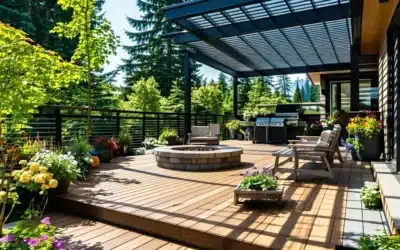
Travertine and Natural Stone Travertine is a popular deck material for pool remodeling in Fort Lauderdale, FL because it handles heat better than concrete, has a natural appearance that suits South Florida’s outdoor aesthetic, and is durable enough to handle the moisture and foot traffic a pool deck deals with. It is more expensive than concrete options and requires sealing to prevent moisture penetration and staining, but it delivers a finished appearance that elevates the overall look of the pool area significantly.
Concrete or travertine pavers offer the flexibility of individual unit replacement if a section is damaged, which is an advantage over poured concrete where repairs are more visible. Pavers drain well between joints, handle ground movement better than a continuous slab, and are available in a wide range of styles that suit different design directions. The joint gaps require periodic maintenance to prevent weed growth and to keep the surface level over time.
Saltwater Pool Finishes: A Specific Consideration
Fort Lauderdale has a high proportion of saltwater pool systems, and the finish material decision for a saltwater pool is not identical to the decision for a traditionally chlorinated one. Salt chemistry is harder on certain materials than standard chlorine chemistry, and choosing a finish without accounting for the pool’s sanitization system is one of the ways pool remodeling material choices go wrong.
Standard plaster deteriorates faster in saltwater pool environments than the general plaster lifespan suggests. The salt accelerates the erosion of the cement matrix, which means a plaster finish in a saltwater pool in Fort Lauderdale may need resurfacing significantly earlier than the same finish in a traditional chlorine pool.
Quartz and pebble finishes handle saltwater chemistry considerably better than standard plaster. For saltwater pools in Fort Lauderdale, both are appropriate choices depending on budget and desired outcome, with pebble finish being the more durable long-term option. Glass tile is also fully compatible with saltwater chemistry and in that specific application its non-porous surface is particularly advantageous.
Durable pool materials for saltwater applications in Fort Lauderdale’s climate means starting the material conversation by disclosing the pool’s sanitization system, not treating it as an afterthought.
Why Material Choice Needs Expert Guidance
The reason material selection for pool remodeling in Fort Lauderdale, FL benefits from working with an experienced contractor rather than making the decision independently based on cost or appearance is that the variables affecting the right choice are specific to the individual pool.
The existing condition of the shell affects which finishes are appropriate. The sanitization system affects which materials perform as expected. The pool’s sun exposure pattern affects how different materials age. The homeowner’s maintenance consistency affects how long any given finish reaches its rated lifespan. Budget affects which tier of material is realistic without setting expectations that do not align with what the chosen material will actually deliver.
A material recommendation that does not account for all of those factors is not a complete recommendation. It is a starting point that may or may not be the right choice for the specific pool it is being applied to.
The Wrong Material Choice Is How a Pool Remodel Becomes a Pool Repair Conversation Three Years Later
Every finish looks good on installation day. What separates a remodel that holds up through five Fort Lauderdale summers from one that does not is what went into the material selection before the first pour. Canet Group Inc. handles that conversation as part of the project, not as an afterthought, so the finish installed on your pool is the right one for the specific conditions it is going to deal with.
Book an on-site visit with Canet Group Inc. and get a material recommendation built around your pool, not around what is easiest to install.
FAQs: Pool Remodeling Materials in Fort Lauderdale, FL
What is the most durable pool resurfacing material for Fort Lauderdale’s climate?
Pebble finish consistently performs best in Fort Lauderdale’s conditions. Its hard aggregate surface resists staining, handles UV exposure without fading or degrading, and is the most compatible cement-based option for saltwater pool environments. It delivers the longest lifespan of the main resurfacing material categories, typically fifteen to twenty years with proper water chemistry maintenance, making it the strongest long-term investment for homeowners planning to stay in the property.
How does pebble finish compare to plaster for a Fort Lauderdale pool?
Pebble finish vs plaster in Fort Lauderdale’s climate is not a close comparison on durability. Standard plaster is porous, absorbs staining agents readily, and deteriorates faster under South Florida’s UV intensity and aggressive water chemistry than its general lifespan rating suggests. Pebble finish is harder, more stain resistant, and handles the conditions of a South Florida pool significantly better over time. The upfront cost difference is real but the lifespan difference is substantial enough that plaster frequently costs more over a ten year window when the earlier resurfacing timeline is factored in.
What pool finish works best for a saltwater pool in Fort Lauderdale?
Quartz and pebble finishes are the most appropriate choices for saltwater pool finishes in Fort Lauderdale. Standard plaster deteriorates faster in saltwater chemistry than its general lifespan suggests, making it a poor fit for saltwater pool applications in South Florida’s climate. Glass tile is also fully compatible with saltwater chemistry and its non-porous surface handles the salt environment particularly well. The right choice between those options depends on budget, desired appearance, and the overall scope of the remodeling project.
Is glass tile worth the cost for pool remodeling in Fort Lauderdale?
For the right pool and the right homeowner, yes. Glass tile pool finish in Florida is the most UV-resistant, most stain-resistant, and most visually distinctive interior option available. It does not fade, does not absorb staining agents, and is fully compatible with saltwater chemistry. The cost and installation complexity are the significant considerations. For homeowners who want the premium result and have a pool with a sound shell condition, glass tile delivers an outcome that no cement-based finish matches. For pools where the budget or shell condition does not support it, quartz or pebble finish is the more practical direction.
What deck material is best for a Fort Lauderdale pool?
It depends on the priority. Cool deck coating is the most practical choice for pools with full sun exposure where surface temperature is a primary concern. Travertine delivers the best combination of heat management, durability, and finished appearance for homeowners who want the deck to reflect the quality of the remodel. Stamped concrete provides a cost-effective decorative option. Pavers offer flexibility and drainage advantages. An on-site assessment helps identify which material fits the specific deck dimensions, sun exposure pattern, and design direction of the project.
How long does pool resurfacing last in Fort Lauderdale?
It depends significantly on the material chosen. Standard plaster typically lasts seven to ten years in Fort Lauderdale’s climate conditions. Quartz aggregate finishes deliver twelve to seventeen years. Pebble finishes typically last fifteen to twenty years with proper water chemistry maintenance. Glass tile has the longest practical lifespan of any interior finish option. South Florida’s UV exposure, heat, and in saltwater applications the salt chemistry, all shorten the lifespan of cement-based finishes compared to what the same materials deliver in more temperate climates.
Does the pool’s sanitization system affect which resurfacing material I should choose? Yes, and it is one of the most commonly overlooked factors in pool remodeling material selection. Saltwater pool systems are harder on certain finishes than traditional chlorine chemistry, particularly standard plaster. Choosing a finish without disclosing the pool’s sanitization system to the contractor means the material recommendation may not account for a factor that significantly affects how long the finish performs. Canet Group accounts for the pool’s chemistry and system type as part of every material recommendation for pool remodeling in Fort Lauderdale, FL.
Why does material selection need to involve the contractor rather than being decided in advance?
The right material for a specific pool in Fort Lauderdale depends on variables that are specific to that pool including the shell condition, the sanitization system, the sun exposure pattern, the maintenance history, and the budget. A material choice made without accounting for those factors may look reasonable on paper but not be the right fit for the actual pool it will be applied to. Canet Group works through material selection as part of the remodeling process so the recommendation reflects the specific conditions of the pool rather than a general preference.