Planning an outdoor renovation is exciting, but it also comes with a long list of decisions, and one of the biggest ones is what to use for your driveway, patio, walkway, or pool deck. Two of the most popular options homeowners consider are stamped concrete and pavers. Both can look stunning, both hold up well outdoors, and both come with their own set of advantages depending on your budget, style, and long term goals.
If you have been going back and forth trying to decide between the two, you are definitely not alone. This is one of the most common questions homeowners ask when planning a driveway or patio upgrade. If you want to see real examples of both options done well, Canet Group has plenty of finished projects that show what each material can look like once installed by an experienced team.
In this blog, we will break down exactly how stamped concrete and pavers compare, covering everything from appearance and cost to durability and maintenance, so you can make a confident decision for your own outdoor space.
What Is Stamped Concrete?
Stamped concrete is exactly what it sounds like. It starts as a standard poured concrete slab, but before it fully sets, it is pressed with specialized stamps that create patterns and textures resembling natural materials like stone, brick, or wood. Once the concrete cures, it is often stained or colored to further enhance the natural, upscale look.
This gives homeowners the appearance of high end materials without the higher price tag typically associated with natural stone or brick. Stamped concrete is a popular choice for driveways, patios, and pool decks because it offers a seamless, custom look with a wide range of design possibilities.
What Are Pavers?
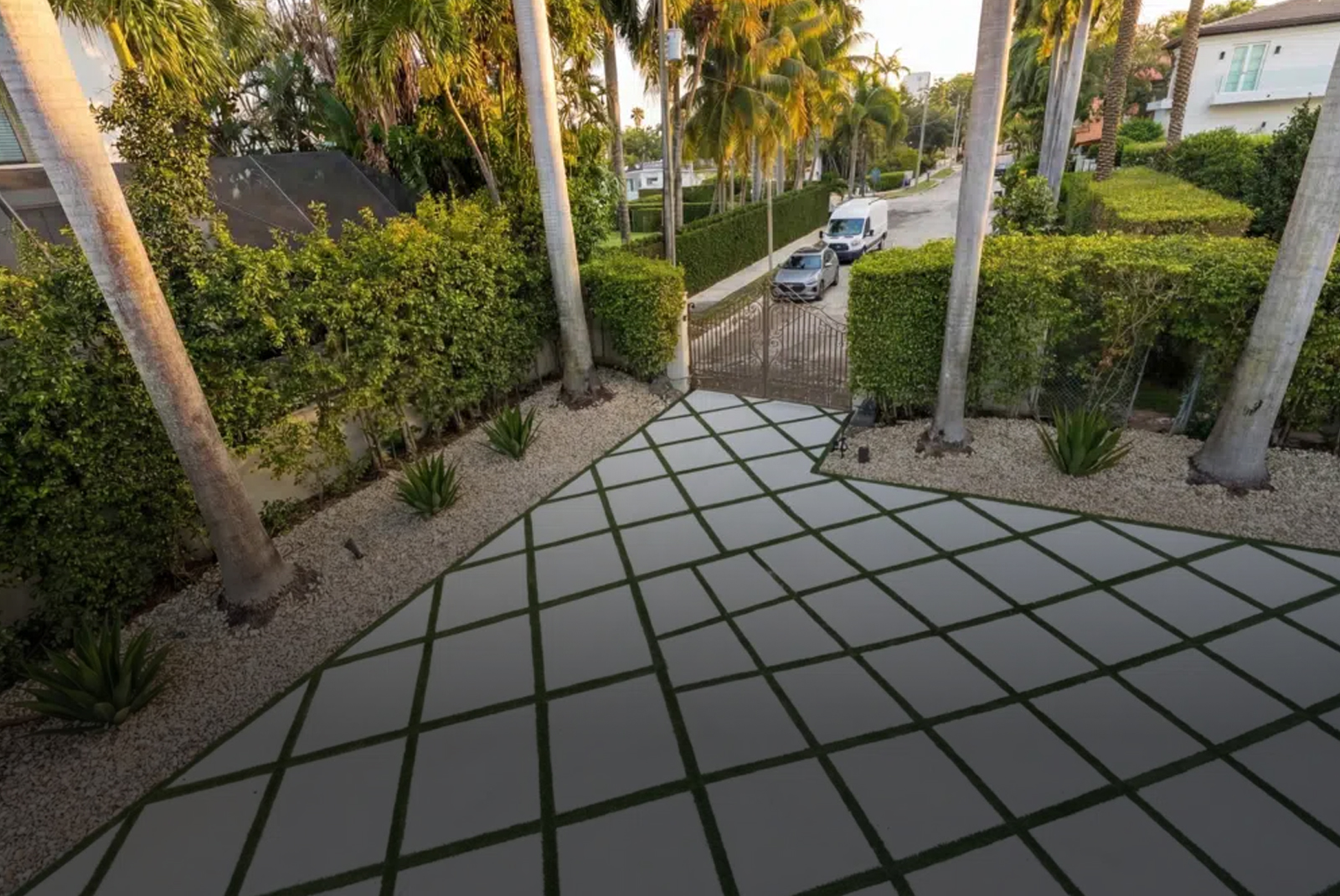
Pavers are individual units, usually made of concrete, brick, or natural stone, that are laid one at a time in a specific pattern over a prepared base. Unlike stamped concrete, which is poured as one continuous surface, pavers are installed piece by piece, which creates a distinct, segmented appearance with visible joints between each unit.
Pavers come in a huge variety of shapes, colors, and materials, giving homeowners plenty of flexibility to create a custom design. They are commonly used for driveways, walkways, patios, and pool surrounds, especially in areas where durability and easy repairs are a priority.
Comparing Stamped Concrete and Pavers
Let us walk through the key differences between these two options so you can see how they stack up against each other.
Appearance and Design Options
Both stamped concrete and pavers offer a wide range of design possibilities, but they achieve that look in different ways.
Stamped concrete creates a seamless surface, which some homeowners prefer because it avoids the visible joints and lines that come with individual pavers. It can mimic the look of stone, slate, brick, or even wood planks, all while maintaining one continuous surface.
Pavers, on the other hand, offer a more textured, dimensional look due to their individual units and visible joint lines. Many homeowners actually prefer this appearance, since it creates a more natural, high end feel, especially when using stone or brick pavers.
Durability and Longevity
Both materials are known for being durable outdoor options, but they handle wear and damage differently.
Stamped concrete is poured as a single slab, which means it does not shift or settle unevenly the way individual pavers sometimes can. However, since it is one solid piece, any cracking that does occur tends to be more noticeable and harder to repair without it standing out.
Pavers have a bit of an advantage here. Because they are installed individually, they can shift slightly with ground movement without cracking, which actually makes them more resistant to certain types of damage. If a paver does crack or become damaged, it can be replaced individually without disturbing the rest of the surface, which is a big advantage for long term maintenance.
Cost Considerations
Cost is often one of the deciding factors for homeowners choosing between the two options. Stamped concrete is generally more budget friendly upfront compared to pavers, especially for larger surface areas like driveways. Since it is poured in one continuous process, labor costs are often lower compared to the more time intensive process of laying individual pavers.
Pavers tend to come with a higher upfront cost due to the labor involved in installation, but they can offer long term savings in certain situations, particularly when repairs are needed, since individual pavers can be replaced without redoing the entire surface.
If you want to explore what a stamped concrete project could look like for your own driveway or patio, the concrete stamping services offered by Canet Group provide a good overview of the process, design options, and what to expect from start to finish.
Maintenance Requirements
Maintenance needs differ quite a bit between the two materials.
Stamped concrete typically requires periodic resealing, usually every two to three years, to protect the surface from moisture, staining, and general wear. Beyond that, maintenance is relatively simple, involving regular cleaning and occasional touch ups to the sealant.
Pavers require joint sand maintenance over time, as the sand between the units can shift or wash away, especially after heavy rain. Weeds can also occasionally grow between paver joints if not properly maintained. However, since individual pavers can be lifted and replaced, larger repairs are often easier to manage compared to fixing a cracked slab of stamped concrete.
Installation Process and Timeline
The installation process for each material looks quite different, which can also affect your decision depending on your project timeline.
Stamped concrete installation is generally quicker since it involves pouring, stamping, and curing a single slab. Once poured, it typically needs a curing period before it can handle regular foot or vehicle traffic.
Paver installation takes a bit longer, since it involves preparing a solid base, laying each individual unit by hand, and adding joint sand to lock everything into place. While this process takes more time upfront, one advantage is that pavers can typically be walked on almost immediately after installation, without a lengthy curing period.
Weather and Climate Considerations
Depending on where you live, weather can play a big role in which material performs better over time.
In areas with significant temperature swings or freeze and thaw cycles, pavers tend to hold up better since they can shift slightly without cracking. Stamped concrete, being a single solid slab, is more prone to cracking under these same conditions if not properly installed with adequate control joints.
In warmer, more stable climates, both materials tend to perform well, making the decision more about style, budget, and long term maintenance preferences rather than weather resistance alone.
Which Option Is Better for Your Project?
There is no single right answer here, since the best choice really depends on your specific needs, budget, and priorities. Here are a few questions to help guide your decision.
Is budget your top priority? If staying within a lower upfront budget is important, stamped concrete is often the more cost effective option, especially for larger areas.
Do you want the flexibility of easy repairs? If long term maintenance and the ability to replace individual sections matter to you, pavers offer a practical advantage in this area.
What style are you going for? If you prefer a smooth, seamless surface, stamped concrete may be the better fit. If you like a more textured, dimensional look, pavers might be more your style.
How important is installation timeline? If you need your project completed and usable quickly, stamped concrete generally offers a faster turnaround.
What does your climate demand? In regions with significant ground movement or freeze and thaw cycles, pavers may offer better long term durability.
Getting Expert Guidance for Your Project
Because both stamped concrete and pavers involve specific installation techniques and long term maintenance considerations, working with an experienced contractor can make a big difference in how your finished project looks and performs over time. A knowledgeable team can help you weigh the pros and cons based on your specific property, climate, and design goals, rather than relying on general guidelines alone.
Learning more about the team behind a project can also help you feel confident in your choice. Taking a look at the about page for Canet Group is a good way to understand more about their experience and approach to outdoor renovation projects before reaching out for a consultation.
Final Thoughts
Choosing between stamped concrete and pavers ultimately comes down to your budget, style preferences, and how much long term maintenance flexibility matters to you. Stamped concrete offers a seamless, budget friendly option with a quicker installation process, while pavers provide added durability, easier repairs, and a distinct, textured look. Both materials, when properly installed, can transform your outdoor space and add real value to your property.
If you are ready to explore your options and want expert guidance on which material best fits your project, it is worth reaching out to a trusted outdoor renovation team. You can get in touch with the team at Canet Group through their contact page to schedule a consultation and start planning the outdoor space you have been picturing.
Frequently Asked Questions
1. Is stamped concrete cheaper than pavers?
In most cases, yes. Stamped concrete typically costs less upfront compared to pavers, especially for larger areas, due to lower labor and installation time.
2. Which lasts longer, stamped concrete or pavers?
Both can last for decades with proper maintenance, though pavers often have a slight advantage in areas with significant ground movement, since individual units can shift without cracking.
3. Can stamped concrete crack over time?
Yes, stamped concrete can crack, particularly in areas with significant temperature changes or poor installation. Proper control joints and a solid base help reduce this risk.
4. Are pavers harder to maintain than stamped concrete?
Not necessarily harder, just different. Pavers require occasional joint sand maintenance, while stamped concrete needs periodic resealing to protect its surface.
5. Which option is better for a driveway?
Both work well for driveways, but stamped concrete is often chosen for a smoother, more budget friendly option, while pavers are chosen for added durability and easier individual repairs.
6. How long does installation typically take for each option?
Stamped concrete installation is generally faster, though it requires a curing period before use. Paver installation takes longer upfront but can typically be used almost immediately after completion.
7. Can I repair a small section of stamped concrete without redoing the entire slab?
It is possible, but repairs to stamped concrete are more difficult to blend seamlessly compared to simply replacing individual pavers in a damaged area.